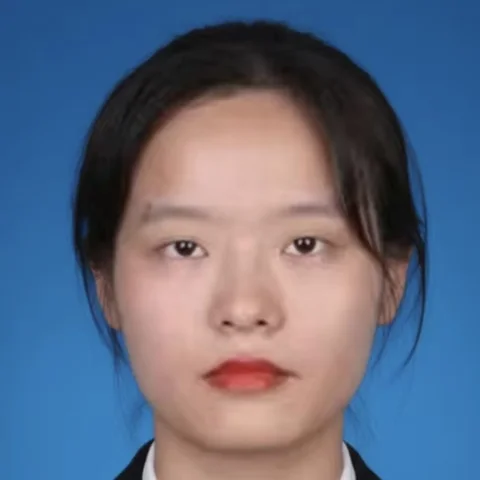
We turn low-value biomass into high-value fuels, chemicals and functional materials — pairing catalysis and carbon materials with computation, and keeping both honest.
The Carbon Materials Group is a research team at the School of Energy and Power Engineering, Jiangsu University. We ask a simple question: how do we turn biomass — an abundant, messy, low-value resource — into fuels, chemicals and functional materials that are actually worth something?
Our approach pairs experiments with theory. Catalytic pyrolysis, carbon materials and photocatalysis on one side; density functional theory (DFT) and machine learning on the other. The computation explains what the experiment sees, and the experiment keeps the computation honest.
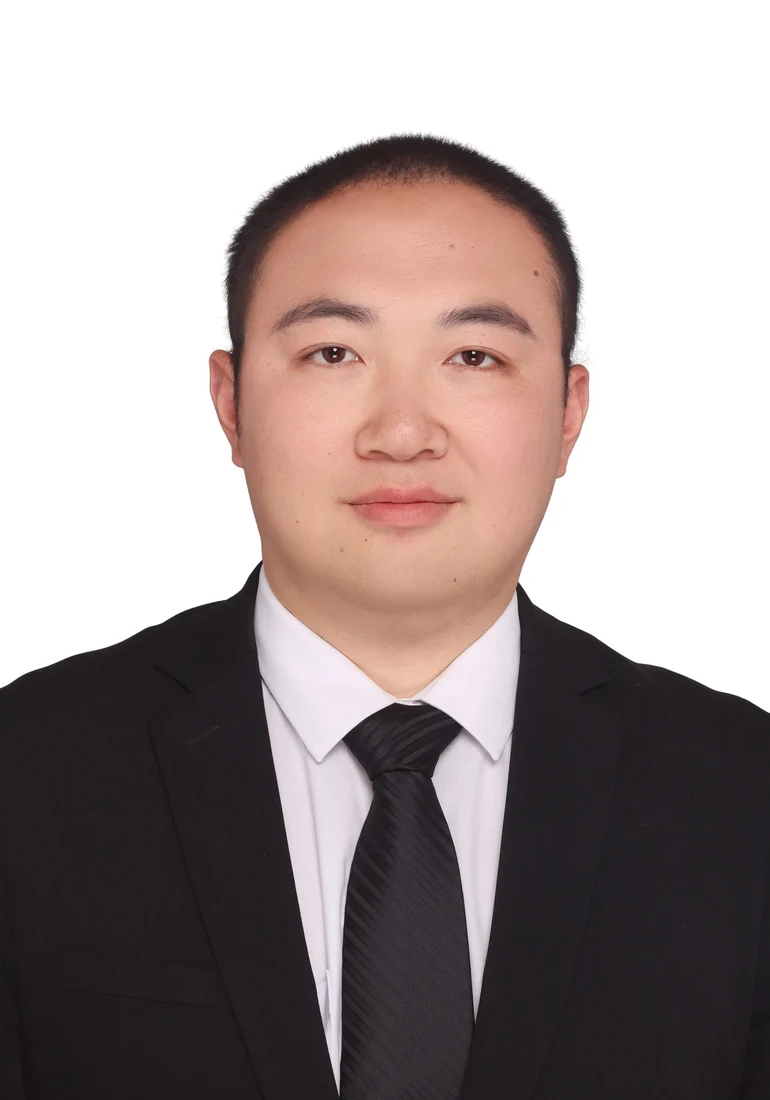
Conferences, talks, papers and visits — the recent trail.
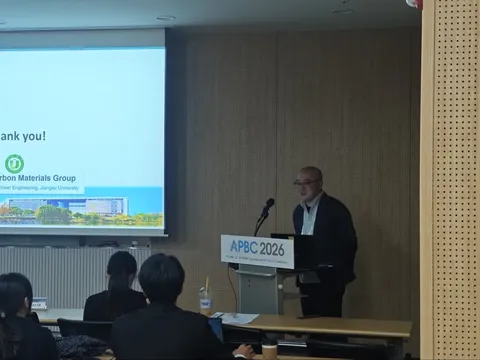
Gave an oral presentation at the Asia-Pacific Biochar Conference (APBC 2026) in Seoul, South Korea, presenting the group's recent work.
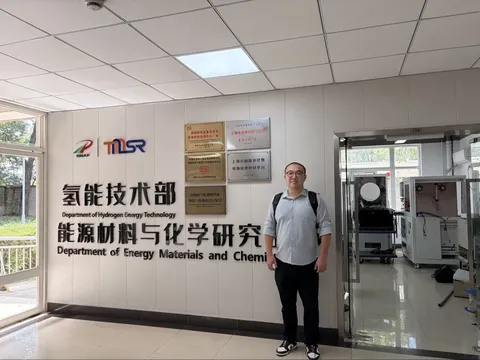
Visited the Hydrogen Energy Technology Division of the Shanghai Institute of Applied Physics (SINAP), CAS, for research exchange.
Experiments, theory, and one shared standard: the data has to be honest.
Every project in the group connects back to upgrading biomass and its by-products into something more valuable than burning them.
Upgrading residues and process by-products into fuels, chemicals and functional materials — finding the value that disposal leaves on the table.
Designing catalysts and biochar-based materials for cleaner conversion — then testing what they actually do, not what we hoped they would do.
Density functional theory and machine learning to explain reaction mechanisms first — so experiments scale up on evidence, not on luck.
Selected from 20+ SCI-indexed articles — each one pairs experiments with computation, so the two keep each other honest.
Full publication list on ResearchGate (Ding-Jiang-5) →
An AI assistant that answers questions about the group's research and publications — strictly from our published work, with sources. Anything beyond that, it will politely hand back to email.
AI assistant — answers only from Dr. Jiang's published papers and public CV. For collaboration, admissions, or anything personal, please email jiang@dischome.cn.
Research collaboration, consulting on biomass conversion and computational catalysis, or just a good argument about AI in science — my inbox is open.